
Where are our skateboard clubs? Our vulnerabilities sit where our infrastructure collapses

Image: Iliya Jokiv (Unsplash)
Do you have a place in your community that you love to go to, where you are welcome and feel like you belong – a place outside of your home where you can comfortably linger?…
Do you have a park where you take your kids, a coffee shop where you happily sit alone but in the company of others, or a place where you can bump into friends and where other patrons begin to look familiar? Do you have a local pub, or a community choir, or a drawing club, or a cricket pitch?
What are your beloved public spaces that belong in your life?
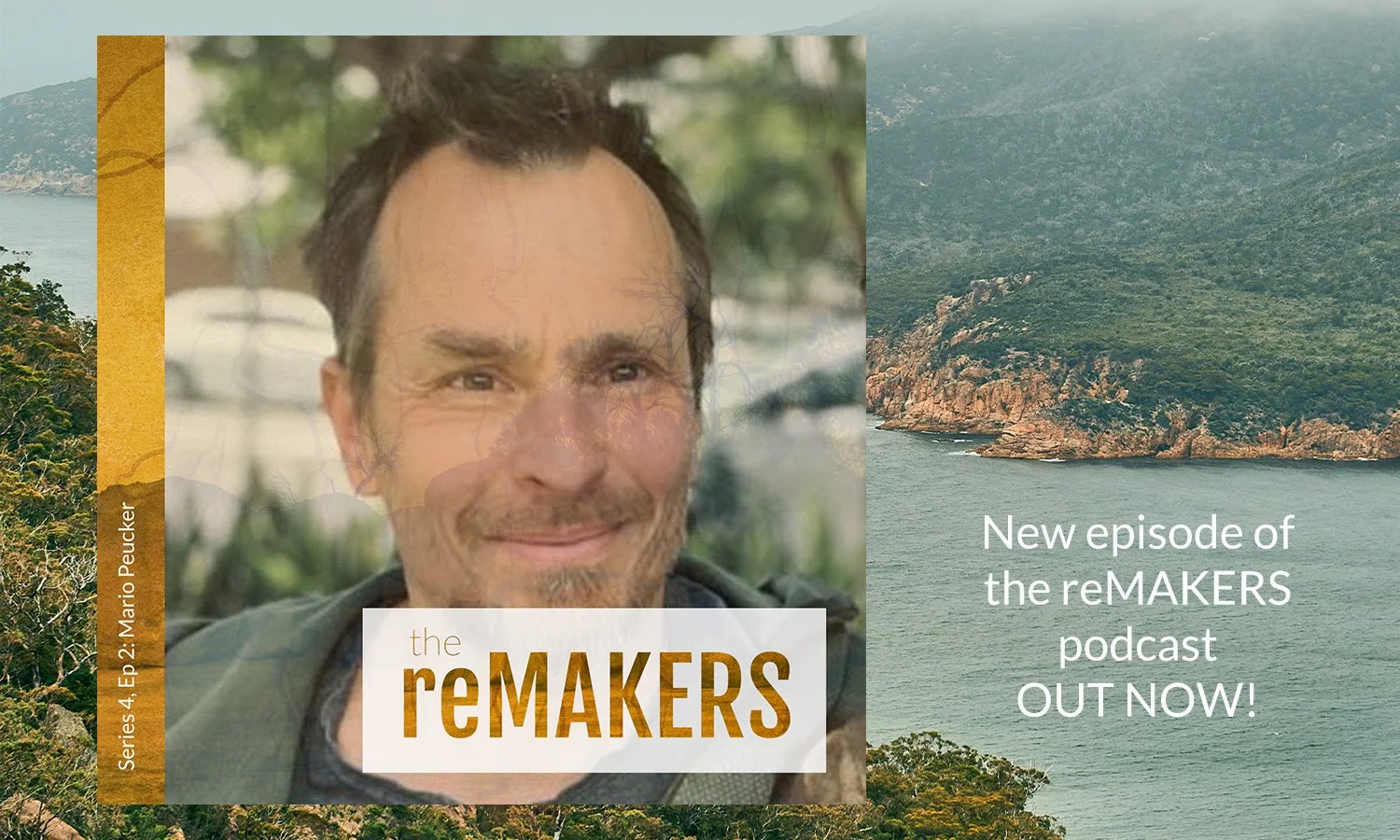
I recently had the privilege of interviewing Associate Professor Mario Peucker, an expert on the rise of the far right and the preconditions that make such a rise more or less likely. We chatted about many things but I was particularly struck by his comment that, “our vulnerabilities sit where our infrastructure collapses”. By which he meant that our susceptibility to the far right is at least partially dependent on how connected we feel to each other and our communities.
For years we’ve been thinking about the importance of a type of infrastructure for the public good and in particular the infrastructure that supports the capacity to care and be cared for, to contribute locally and nationally, and to connect with people and place.
Importantly, infrastructure for connection isn’t just roads and telecommunications lines. It’s public parks, festivals, reading groups, beaches, bushland, park benches and libraries. Oh libraries… let's just linger on the library for a moment.
The first few years of the Covid-19 pandemic highlighted extraordinary examples of how infrastructure for connection can be adapted and redirected when circumstances and contexts change. The public infrastructures already threaded through with deep connections were the ones that were able to improvise and respond with a ‘yes, and…’ when the unexpected happened.
One of my favourite examples was when the libraries in Victoria, closed though they had to be, became key sites of ongoing connection. One library identified that its elderly members were most likely to be vulnerable and so called over 8,000 members with offers to connect them to services, book recommendations and simply personal connection.
Just prior to the pandemic, in 2019, a City of Melbourne Library became the first Australian library to employ a social worker. Libraries are ‘free’ – places that are both free from financial cost but also social stigma – and are valuable sites for offering and accessing different kinds of support and connection.
And then there are the libraries across the world… My colleague Anna told me about visiting Oodi, the famous Helsinki Public Library. She said outside, in the shelter of its bowed timber edges, there were hundreds of teenagers partaking in a dance competition, to music being played on loud speakers, seemingly hosted by the library. Inside people were drinking wine at tables surrounded by books while their children played and read stories spread out over timber steps. She said the space was filled with flexible seating such as cushions that could be moved around or piled on the stairs and that, while not free, you could buy coffee and read, or stay and work or chat without leaving the building.
Not only that, but the library had sewing machines available, workshop facilities, games and puzzles and spaces for people to set up freely and work for the day. This building, this wonderful public library was there to be used free from payment and anybody can walk in and enjoy its offerings. What an extraordinary place for connection.
The library is an incredible public place that can connect us and hold us in so many ways. And of course they are not the only public spaces to do this.
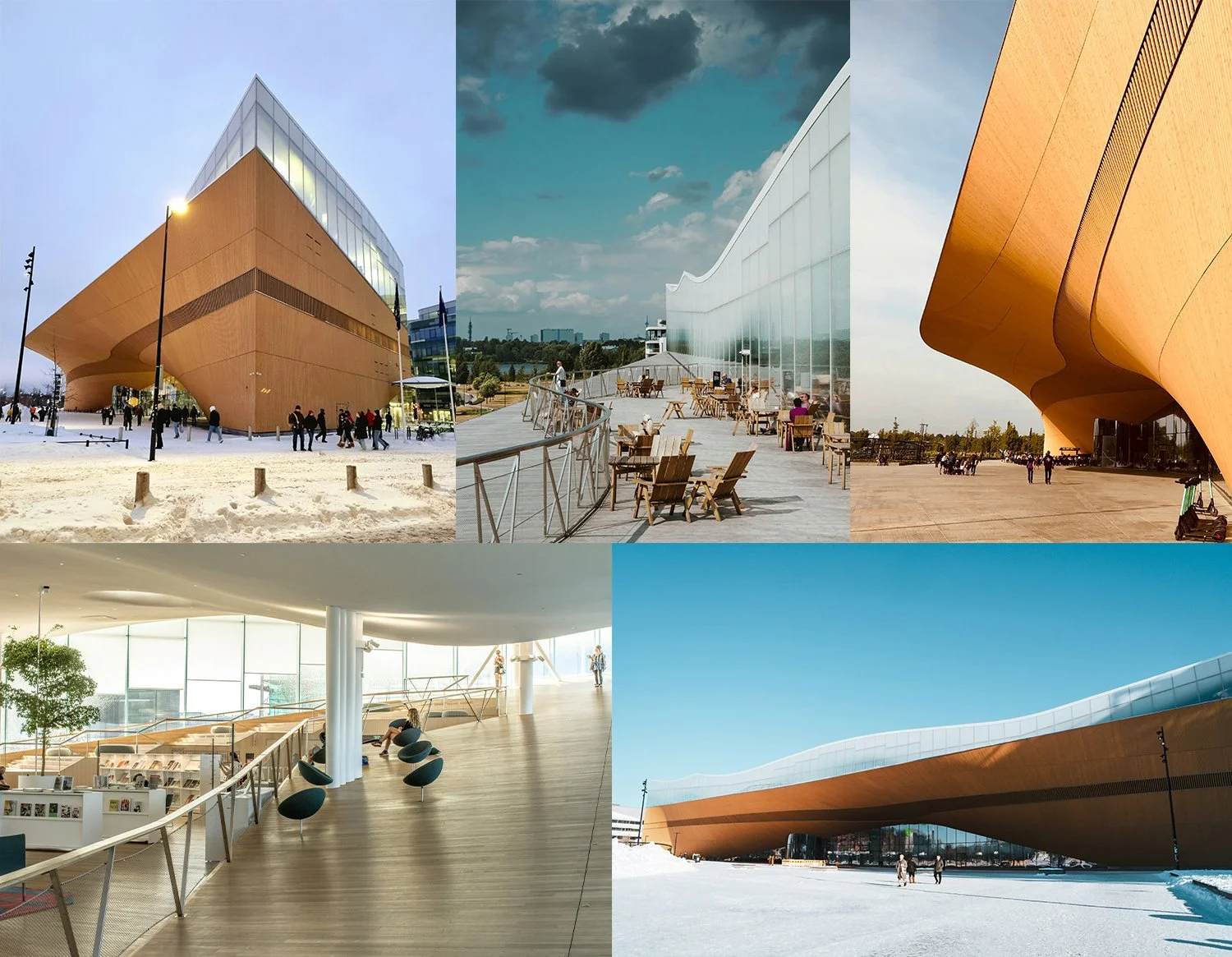
Oodi, the incredible Helsinki Public Library - (Photos: Unsplash)
In France, support for the far right increased in places where the local gathering places, bar-tabacs, closed down. Bar-tabacs are places where you can buy cigarettes, newspapers, coffee, wine etc and are key sites for connection particularly in small villages. According to one study, between 2000 and 2022, 18,000 bar-tabacs closed down and this was directly linked to an increase in support for the far right, even when factors such as immigration and unemployment were taken into consideration.
When the bar-tabacs closed they “took the public living rooms with them”.
Interestingly, when a bar-tabac re-opened or a similar public space was created, the share of the far right vote declined over time. As author of the study, Hugo Subtil explained, “What matters here is not what people are doing but the fact that they are doing it together… it is the shared, social aspect that makes the difference”.

Image: Tapio Haaha (Unsplash)
The wonderful thing about all this is that nurturing and building and using these public spaces is both an essential element of a healthy democracy and a great joy. It is also something we can all easily be a part of.
So where are these public living rooms near you? How are you nurturing them?
I’d love to know.
If the rise of the far right is something that concerns you, I really encourage you to have a listen to my conversation with Mario. I left it feeling energised and inspired. While Mario does not offer simple solutions, he does offer a way forward that we can all participate in.
You can listen to the conversation on our website, wherever you get your podcasts or over on YouTube.
“Our vulnerabilities sit where our infrastructure collapses: Where are our skateboard clubs?”.
- Mario Puecker
Where is your public living room?

Image: Annie Spratt (Unsplash)